
[Interview] Interview with artist Mooa Kang: When contemporary Korean art comes alive with the spirit of nature
In today’s era of diversified art, Korea is home to many creative artists who create unique and distinctive works, and among the long list, artist Mooa Kang shines with her vibrant works, integrating elements of nature and human experience into her works. To learn more about the artist, her artistic journey, her inspiration, I interviewed her via email on June 14, 2025.
Could you please introduce yourself? And share with us your artistic journey?
Hello, Korea Net readers. I am Mooa Kang, an artist who explores the cycle of life through the interconnected lenses of nature, color, and body, drawing from Korean aesthetics and organic structures.
My practice embodies what I define as ‘Korean Art Nouveau’, a sensuous visual language that weaves the curves and colors of nature into poetic forms. Working across painting, sculpture, and functional objects, I reinterpret the rhythm between nature and human presence through tactile, flowing expressions.
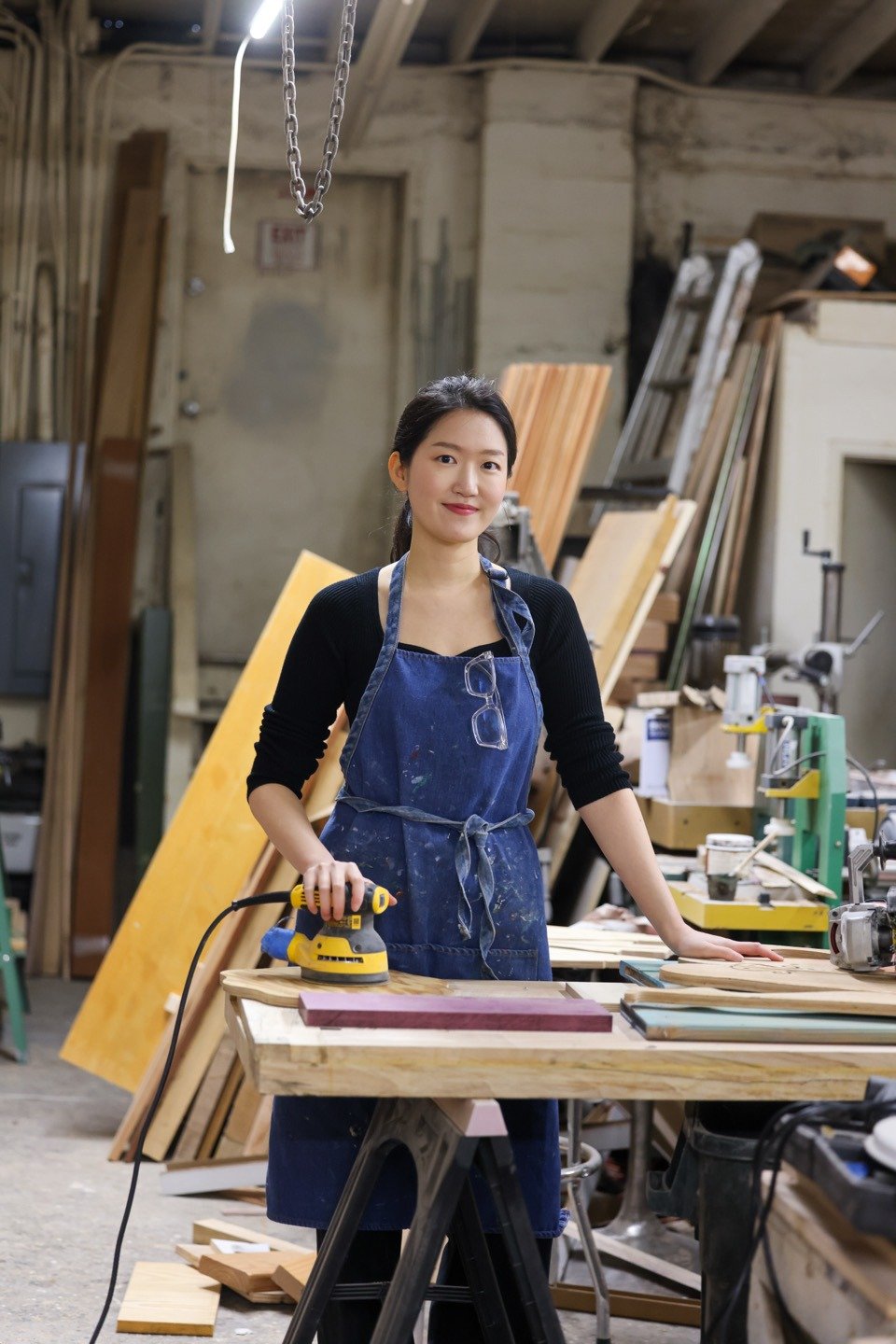
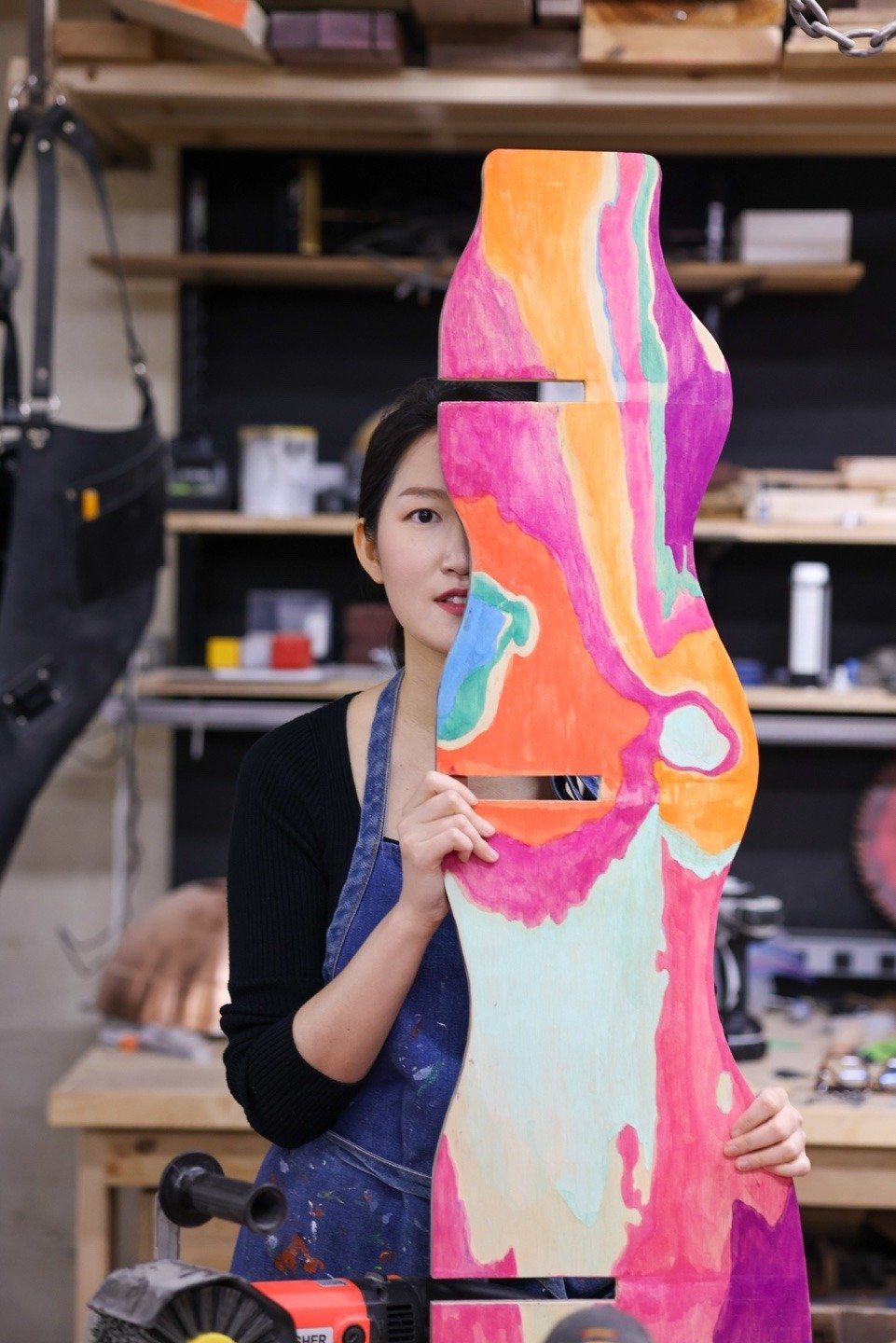
Artist Mooa Kang inside her studio. (Credit: Artist Mooa Kang with permission)
Your artistic style is unique. What inspired you to start working in your particular style? Are there cultural or personal experiences that influence your creative choices?
My artistic style is rooted in the traditions of Korean painting, particularly through the use of Bunchae, a mineral pigment made from natural materials like stone and shell. I apply Bunchae onto wood panels cut along the lines of my drawings, merging traditional techniques with sculptural form.
While studying Korean painting at Ewha Womans University, I was especially drawn to its embrace of spontaneity and natural flow. Unlike oil painting, which often leads to controlled outcomes, Korean painting welcomes unpredictability, especially when ink seeps into Hanji (traditional Korean paper) and spreads freely. I found beauty in this chance-driven process and the quiet resonance of natural materials.
This balance of control and release continues to shape my practice. It reflects a deeper cultural sensibility rooted in Eastern aesthetics, where imperfection and impermanence are not flaws, but essential expressions of beauty.
I noticed that the key themes in your works are Nature, Color, and the Body. Can you please share with us what these themes mean in your work and what personally connects you with them?
To me, the cyclical flow of nature mirrors the journey of existence, from birth to death, and reveals the strategies that organisms develop to survive within their ecosystems. It reflects not only biological life but also the emotional and psychological rhythms we experience as human beings.
The theme of the body in my work explores the complexities of identity within social and cultural systems. I often depict the female body, not to emphasize its physicality, but to question how individuals with female bodies adapt, are socialized, and reshape their identities within a given sociocultural context. I’m particularly interested in how these bodies develop their own strategies for survival in society.
Color serves as a crucial bridge between nature and the body in my work. The vibrant hues I use often amplify the presence and identity of the female figures, while at the same time visually distorting the silhouette of the body. I’m fascinated by this dual effect, how color can simultaneously assert presence and destabilize form.
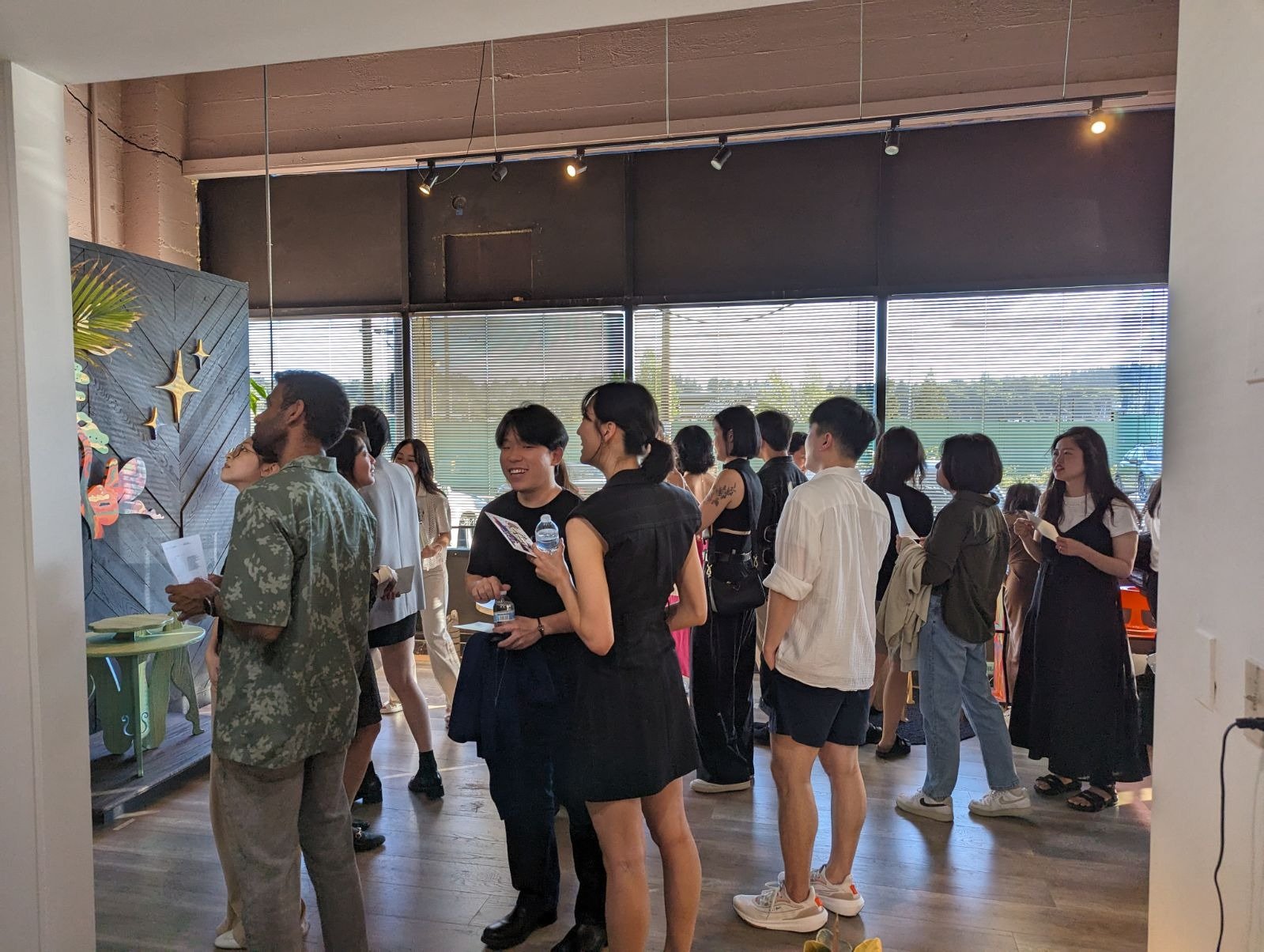
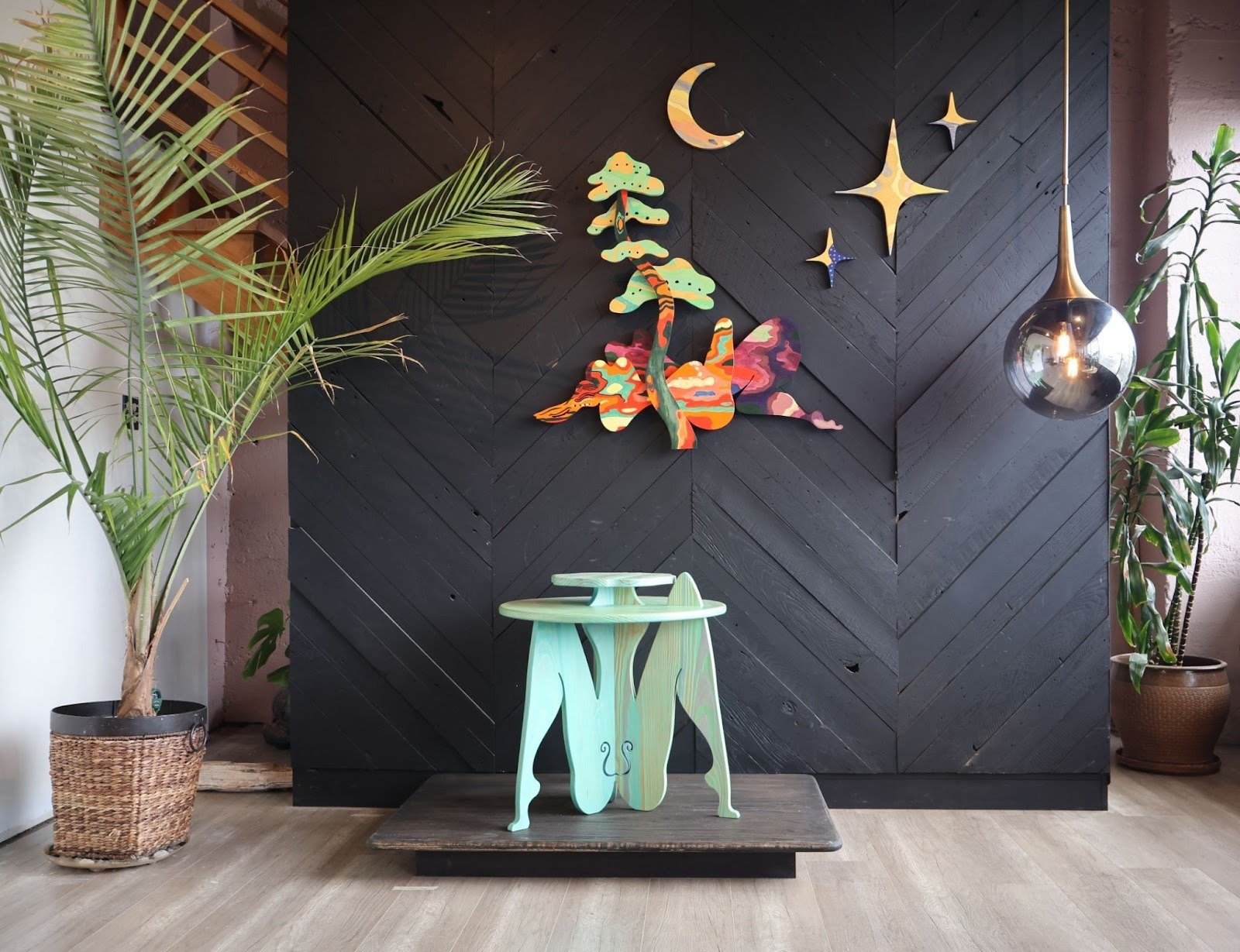
2024 Table of Thoughts Solo Exhibition in Seattle. (Credit: Artist Mooa Kang with permission)
Your work weaves together Korean painting, design, and sculpture. I am wondering how your studies of the philosophical foundations of traditional Korean art influence your creative decisions today? How do you incorporate your studies into your artistic process?
My artistic journey began with Korean painting, which I studied from art high school through my master’s degree at Ewha Womans University. Rooted in the philosophy of harmony with nature and the beauty of emptiness, this foundation continues to shape my work today.
Later, I pursued exhibition design at the Rhode Island School of Design, where I became interested in how art interacts with space and viewers. I began to see immersive and narrative environments as an extension of the artwork itself.
While working as an interior designer at NBBJ, I started exploring three-dimensional forms, leading to a solo exhibition in Seattle where I experimented with site-specific installations and audience participation. Over time, my work has evolved from brush-based painting to three-dimensional objects and spatial experience, expanding from two-dimensional surfaces into physical, living environments.
I noticed that you are committed to using the eye-catching pigments “Bunchae”. I am curious what drew you to use these pigments and how do you think that working with the Bunchae changes the emotional concept of your work?
Bunchae, a mineral pigment made from natural materials like earth, shells, and stones, is traditionally used in Korean painting. Unlike Western mediums like oil or acrylic, which sit on the surface and often obscure underlying textures, Bunchae permeates the material, allowing it to breathe and the pigments to blend seamlessly with the base.
I was especially drawn to Bunchae when I began working with wood. I wanted to highlight the natural grain, but oil and acrylic paints masked its beauty. With Bunchae, the grain came back to life, the colors gently seeped into the lines of the wood, merging with it in a way that felt like an act of restoration.
I also found inspiration in Dancheong, the traditional Korean art of painting wooden buildings, especially temples and palaces. It not only adds visual richness but also protects structures and imbues them with symbolic meaning and dignity.
Rooted in the philosophy of Korean tradition, I believe natural pigments resonate more deeply with my artistic vision. They echo the subtle tones of nature and evoke emotional depth, helping me explore themes of time, memory, and renewal through a sense of harmony.
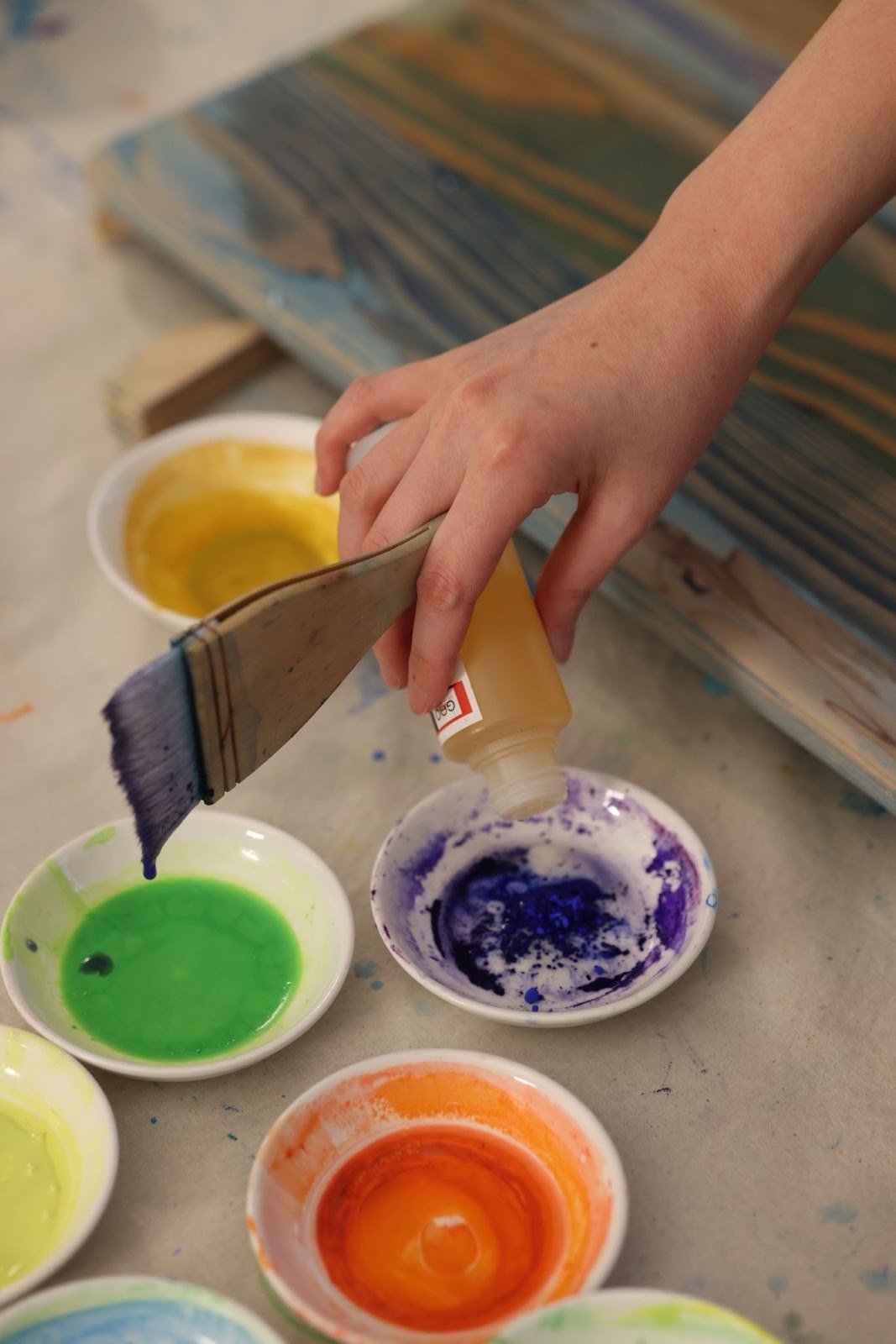
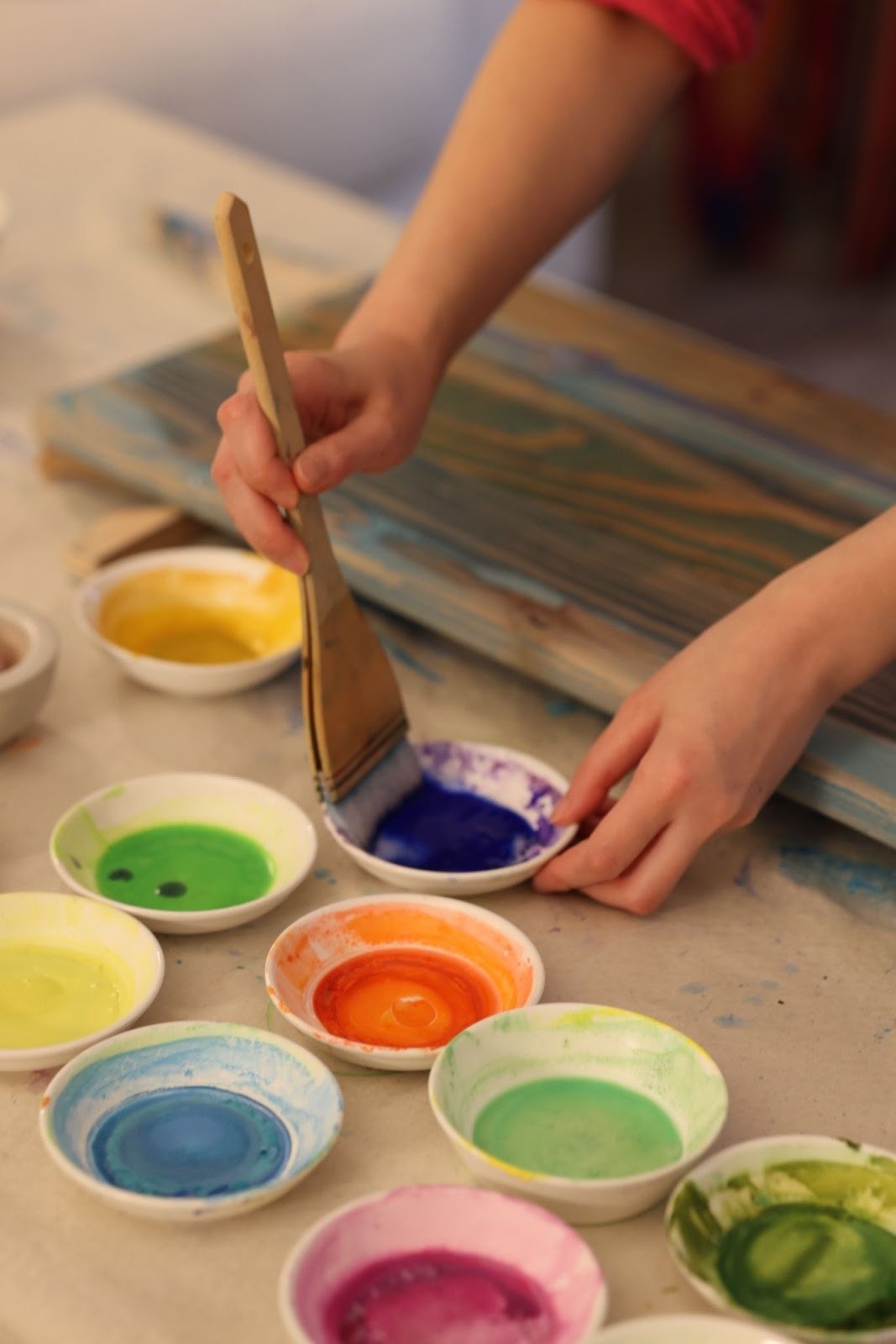
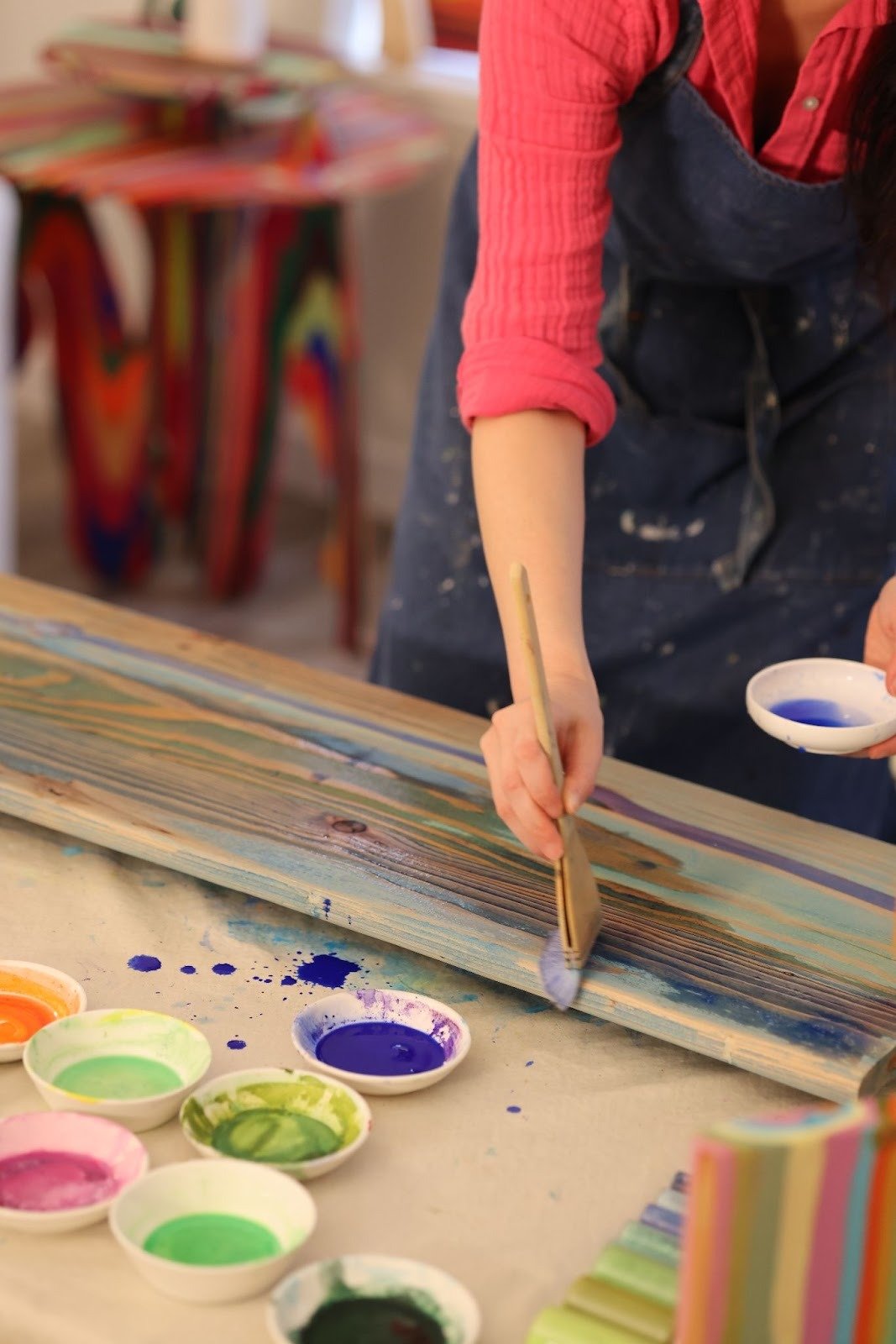
Mooa mixing Bunchae (분채) with gelatin adhesives (아교)
I read that you started working with found wood in 2017. I am wondering what inspired you to start working with found materials and turn it into an item of furniture like tables?
Working with wood began naturally. One day, I came across a discarded piece of wood near a dumpster by my studio. Strangely, I felt emotionally drawn to it, almost as if it were saying, “Here I am, color me.” That moment became the starting point of my artistic journey. As I traced its natural grain with color, I discovered the possibility of repair. I realized that an artist’s role is to find value and beauty in what has been abandoned.
From there, I began transforming found wood into both two and three-dimensional works. Unlike a blank canvas, wood carries visible traces of time, its grain layered with memory and history.
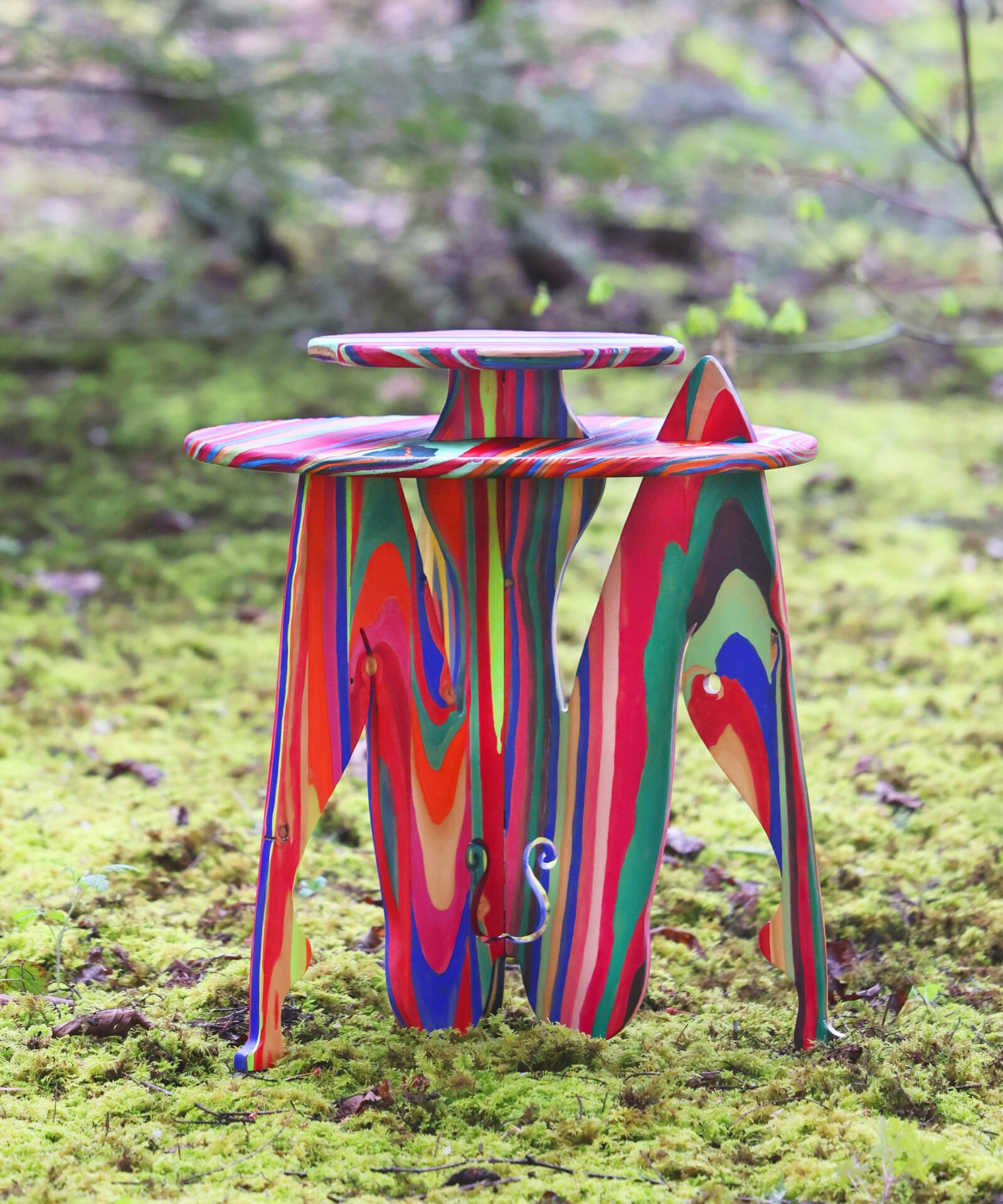
Eventually, I started creating functional pieces like tables, because furniture especially tables reflects how we live. Tables carry the weight of our daily lives and grow worn through touch and time. To me, they feel like living objects that embody the life I’m living right now. The reason I created the Body Table series, which resembles the female body, was to express the weight of living as a woman. It is both a tribute to women who live beautifully and vulnerably, and an invitation to engage in conversations about how the female body is seen, felt, and understood.
Can you please describe your work titled “Weaving Color” and what inspired you to launch it?
If I were to summarize the essence of my work in one sentence, it would be: “Weaving curves and color of nature”. The Weaving Color series is a dialogue between the wood and me. As I follow the natural grain, it feels like light, color, and breath slowly permeate the surface, layer by layer, into the rings of time embedded in the wood.
I call this coloring process a “coloring ceremony”, a quiet and meditative ritual that brought me deep emotional healing. One day, I hope to host a workshop for the public, offering a space of rest and reflection for those seeking connection with nature.
What are you currently working on? Can you share with us some details about your upcoming projects?
Recently, I experienced a major turning point in my life, my father passed away, and soon after, I became pregnant. Confronting life and death at once led me to reflect on existence as a continuous cycle, where birth and death are not opposites but part of the same flow.
My current project, the Seed series, explores the life cycle as a continuous loop: seed – pregnancy – birth – growth – youth – aging – withering – death – seed. Through this work, I explore the female body, vitality, time, and the rhythms of life and death, drawing from personal experience to raise essential questions about nature and existence. I hope the work captures both the fragility and strength of life.
Any last words for Korea Net readers?
Thank you for taking the time to read my story. As K-pop and Korean culture continue to gain global attention, I hope you’ll also take interest in many talented young Korean artists out there. We have diverse voices and perspectives to share, and your support means a lot to us.
This interview with artist Mooa Kang was insightful, It shows you how can turning a natural materials and personal experiences to an unique artistic pieces. Mooa’s work offer a vibrant perspective that enriches both Korean art and the global cultural landscape.